Integrating photovoltaics without compromising facade aesthetics.
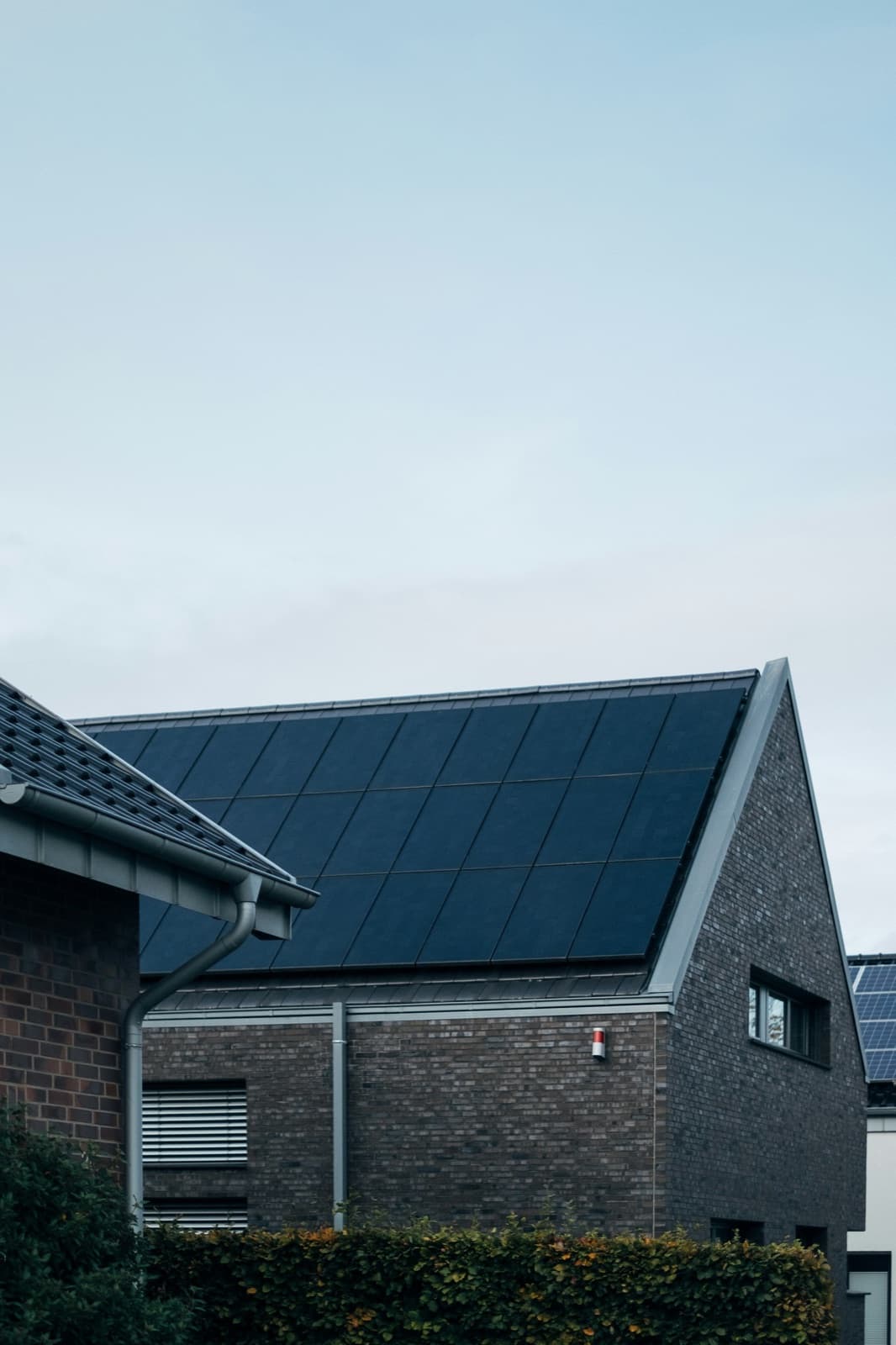
Solar energy need not be an eyesore. Modern architecture demands seamless integration, and the latest generation of photovoltaic materials finally delivers on that promise.
For decades, solar panels were treated as bolt-on afterthoughts — blue rectangles disrupting the lines of a building. Architects resented them. Homeowners tolerated them. The industry treated aesthetics as a luxury, not a requirement. Today, Building Integrated Photovoltaics (BIPV) allow us to treat solar modules as construction materials, not accessories.
The shift is both technical and philosophical. When a solar module becomes the roof itself — not something mounted on the roof — the entire conversation around solar adoption changes. Suddenly, the question isn’t “where do we put the panels?” but “how do we design the building to harvest energy?”
The Black-on-Black Aesthetic
By utilizing all-black monocrystalline modules with hidden busbars, we achieve a uniform, matte surface that complements slate, concrete, and glass facades. The visual effect is striking — a seamless dark plane that reads as architectural intent rather than energy infrastructure.
This is particularly relevant for high-end residential projects in Guntur and Vijayawada where visual harmony is paramount. Our clients in these markets aren’t just buying energy savings — they’re buying a design statement. The panels must enhance the property’s value, not diminish its curb appeal.
Beyond Rooftops: Facades and Canopies
The next frontier is vertical BIPV — solar cells embedded in curtain walls and cladding systems. While efficiency drops at non-optimal angles, the sheer surface area of a building’s facade often compensates. A 20-storey commercial tower in Vizag could generate meaningful energy from its east and west faces alone, using semi-transparent photovoltaic glass that doubles as shading.
At Incremus, we work directly with architects from the schematic design phase. Solar isn’t something we add at the end — it’s something we design into the building from the first sketch.